When the air drifting from your vents turns thin and weak, something upstream is throttling it. The good news is that weak airflow almost always has a traceable cause, and most of them are straightforward to fix once you know where to look, starting with the parts of the system you can see without tools.
A Five-Minute Check Before You Call
- Filter. Pull it out and hold it up to a light; if you cannot see light through it, replace it.
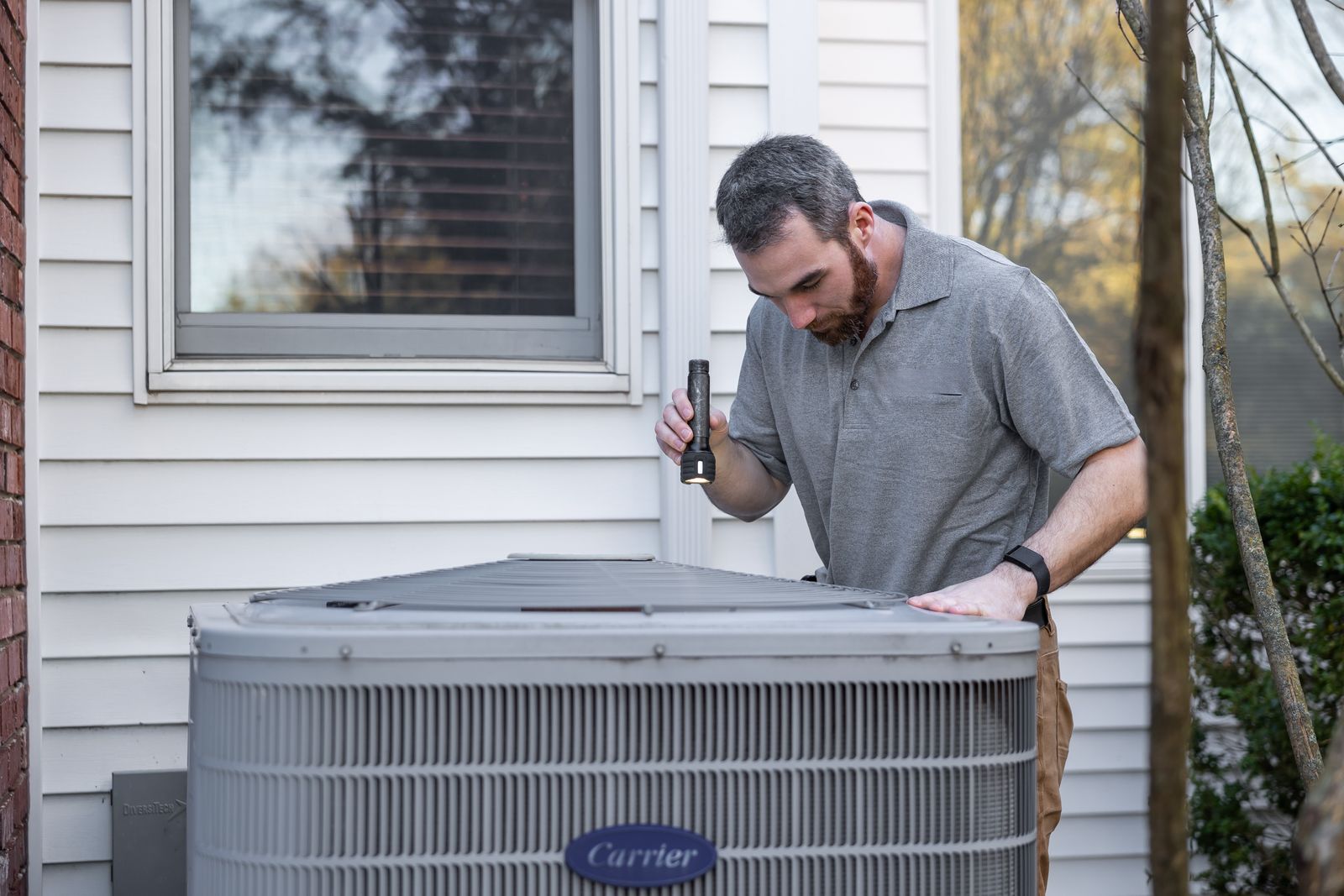
- Outdoor unit. Clear leaves and debris and confirm there is at least a foot of open space on every side.
- Thermostat. Confirm it reads a sensible temperature and responds when you lower the setting.
Where the Extra Hydro Actually Goes
An air conditioner has always had two jobs: cool the air and dehumidify it. Humid Ontario weather makes both jobs harder at once, so the system runs longer to deliver the same comfort, and longer runtime shows up on your hydro bill. That extra runtime is one thing when it is simply muggy outside.
It is another thing entirely when a maintenance problem is quietly adding hours to the meter every day. A bill that spikes without a heat wave to explain it is a symptom worth decoding, because the causes are common and most are inexpensive to fix.
Have You Checked the Filter, the Coils, and the Outdoor Unit?
A clogged filter. This is the first thing to rule out because it is the cheapest fix in HVAC. A full filter starves the blower and throttles air to every vent in the house. A dirty evaporator coil. Dust that slips past the filter settles on the cold coil and insulates it, so less cold transfers into the air moving past.
A blocked condenser. Debris, tall plants, or a dryer vent blowing nearby all heat up the outdoor coil and slow the whole system down.
On humid days, a steady setpoint often beats deep setbacks. A big afternoon recovery asks the system for full cooling at the hottest, muggiest hour of the day, when it has the least to give. A modest schedule keeps humidity from spiking while you are out.
Age, Size, and the Ceiling They Set
An aging unit. As a system gets older, its compressor and coils slowly lose efficiency, so it delivers less cooling on the hottest, most humid days, exactly when you need it most.
An undersized system. If the unit was never matched to the home's cooling load, it falls behind on peak afternoons and never catches up. Sizing can overshoot in the other direction, too: an oversized unit short-cycles, cooling in quick bursts that leave the air cold but clammy because the system never runs long enough to dry it.
Refrigerant, the Building, and the Fix
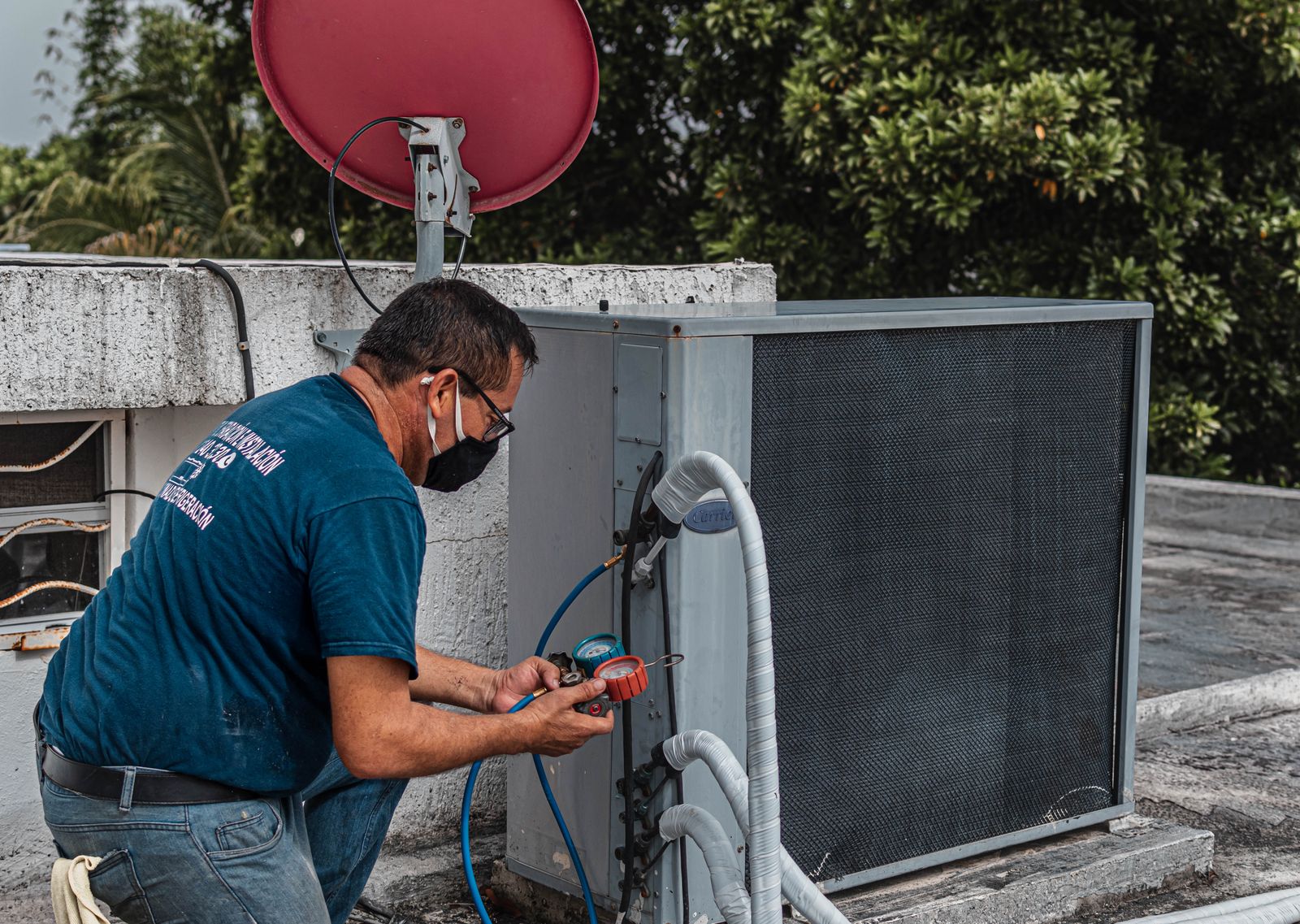
Low refrigerant. A slow leak stretches every cycle and can eventually damage the compressor. Poor insulation and air leaks. Warm, humid air leaking in through the attic, windows, and doors adds load the equipment was never meant to carry; sealing gaps and adding insulation can genuinely change how the system performs.
When Ancaster Heating & Cooling services a system, the visit covers the full chain: pressure-testing the charge, cleaning the coils, measuring airflow, and confirming the unit is sized for the home as it stands today.